
Squalane
A skin-compatible lipid that softens roughness and seals in moisture without the heavy finish.
Some skin needs richer support than hydration alone can provide — roughness that does not smooth out, a chapped feel that hydrating serums cannot fix, a barrier that feels exposed. But the standard answer, heavier creams and denser oils, does not suit everyone. Skin that is dry but congestion-prone, or simply dislikes feeling coated, needs lipid support in a lighter form. Squalane is usually where that balance gets solved.
On this page
The Clarity Summary
Squalane is one of the clearest examples of elegant barrier support. It gives the skin softness, slip, and a more protected feel, but usually without the heaviness that richer butters or thicker oils can bring. That makes it especially useful for sensitive skin that wants lipid support but dislikes feeling coated.
For Skincare Clarity, squalane stands out because it solves a very specific problem well: skin that feels dry, rough, or chapped, but still wants a routine that stays light, breathable, and wearable.
What is squalane?
Squalane is a lightweight, skin-compatible lipid used to soften the skin surface and reduce moisture loss. It is the stable, hydrogenated form of squalene — a lipid naturally associated with human sebum — and in modern skincare is almost always plant-derived, typically from olives or sugarcane. Its main job is surface comfort: helping skin feel less rough, less exposed, and less likely to lose water too quickly, without the heavy finish of traditional occlusives.
What makes squalane distinctive is where it sits within barrier support. Glycerin works primarily on water binding. Ceramides work on the structural integrity of the barrier itself. Squalane occupies the middle ground — a support lipid that improves how the skin feels on the surface and helps hold moisture in place without actively rebuilding anything underneath.
This is also why it has become so popular in modern sensitive-skin formulas. It can make a product feel more protective without pushing it into a heavy, greasy, or waxy direction — which matters for anyone whose skin wants lipid comfort but resists denser textures.
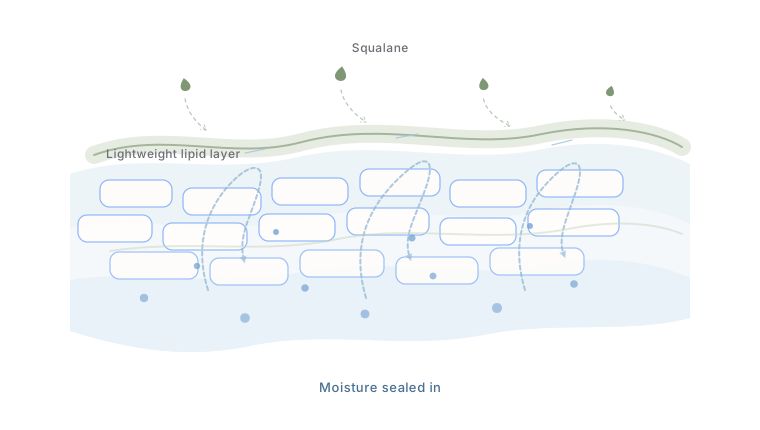
Squalane as a lightweight lipid seal
Why squalane matters for sensitive and reactive skin
Reactive skin often lives in an awkward middle zone. It needs more than a lightweight hydrating serum, but richer creams can feel smothering, trigger congestion, or simply feel wrong on skin that is used to being touchy. This is the gap squalane was made for.
Squalane is especially relevant when skin feels:
- rough or chapped even after hydration
- persistently dry without being flaky
- dry but also prone to congestion
- uncomfortable in heavy creams or rich balms
1. Softness without the heavy-cream feeling
Some dry skin needs richer support, but not everyone can tolerate or enjoy dense textures. Squalane gives the skin a more cushioned feel without the thick finish that heavier butters or occlusive creams can leave behind. For users whose skin dislikes feeling coated, this is often the difference between wearing a moisturiser comfortably and constantly wanting to wash it off.
2. Helps reduce moisture loss without the heavy finish
Squalane forms a light, flexible layer over the skin. It is not as heavy as a true occlusive like petrolatum, but it still helps slow the rate at which water evaporates from the barrier. That is particularly useful when skin feels dry yet still needs the routine to stay light, breathable, and easy to wear under makeup or SPF.
3. Particularly useful for dry but clog-prone skin
This is where squalane really earns its place. Combination and congestion-prone skin often needs lipid comfort, but richer oils and butters can feel too much. Squalane tends to solve that tension better than denser options — rich enough to soften dry areas, light enough not to trigger the kind of breakouts that heavier oils can cause in blemish-prone skin.
It is not a full barrier system on its own, but it is one of the most useful support lipids for keeping a sensitive routine comfortable, wearable, and tolerable day after day.
What squalane cannot do
Squalane is often described as ‘sealing’ the skin, which is broadly true but worth being specific about. It is an emollient-occlusive hybrid, not a true heavy occlusive. For most reactive skin, that lighter sealing action is exactly what is needed. But in certain scenarios — severely compromised barriers, wind-whipped chapping, extreme dryness — the skin may need something heavier on top, such as a petrolatum-based balm, to fully hold moisture in place.
Squalane also does not add water to the skin. It helps hold water in, but only if there is water there to hold. That is why it works best layered over a hydrating step — a glycerin-rich moisturiser, a hyaluronic acid serum, or even damp skin — rather than applied to dry skin alone. Used on its own on already-dry skin, squalane softens the surface but does not address the underlying dehydration.
And while squalane is one of the most well-tolerated lipids in skincare, very clog-prone skin can still occasionally find it too rich, particularly in higher concentrations or pure oil formats. Most sensitive, congestion-prone users tolerate it well, but if breakouts appear after introducing a squalane-heavy product, it is worth patch testing further rather than assuming it will always suit.
Is squalane good for sensitive skin? The Clarity Verdict
Squalane is a premium Green List emollient and one of the strongest ‘elegant support’ ingredients in the Barrier Builders category. We value it most in moisturisers, recovery treatments, face oils, and cleansers designed to avoid that stripped, squeaky-clean after-feel.
If your skin wants lipid comfort but resists richer textures, squalane is often one of the smartest places to start. It solves a very specific problem — the gap between lightweight hydration and heavy occlusive protection — better than almost any other single ingredient in sensitive-skin formulation.
How to use squalane
Best For
- Rough, dry skin
- Chapped skin days
- Dry but clog-prone skin
- Users who dislike heavy creams
Use When
- Morning and night
- As a final comfort layer
- During cold weather
- When the barrier feels exposed
Products featuring squalane
Our ingredient-led product recommendations are being prepared and will be added soon.